
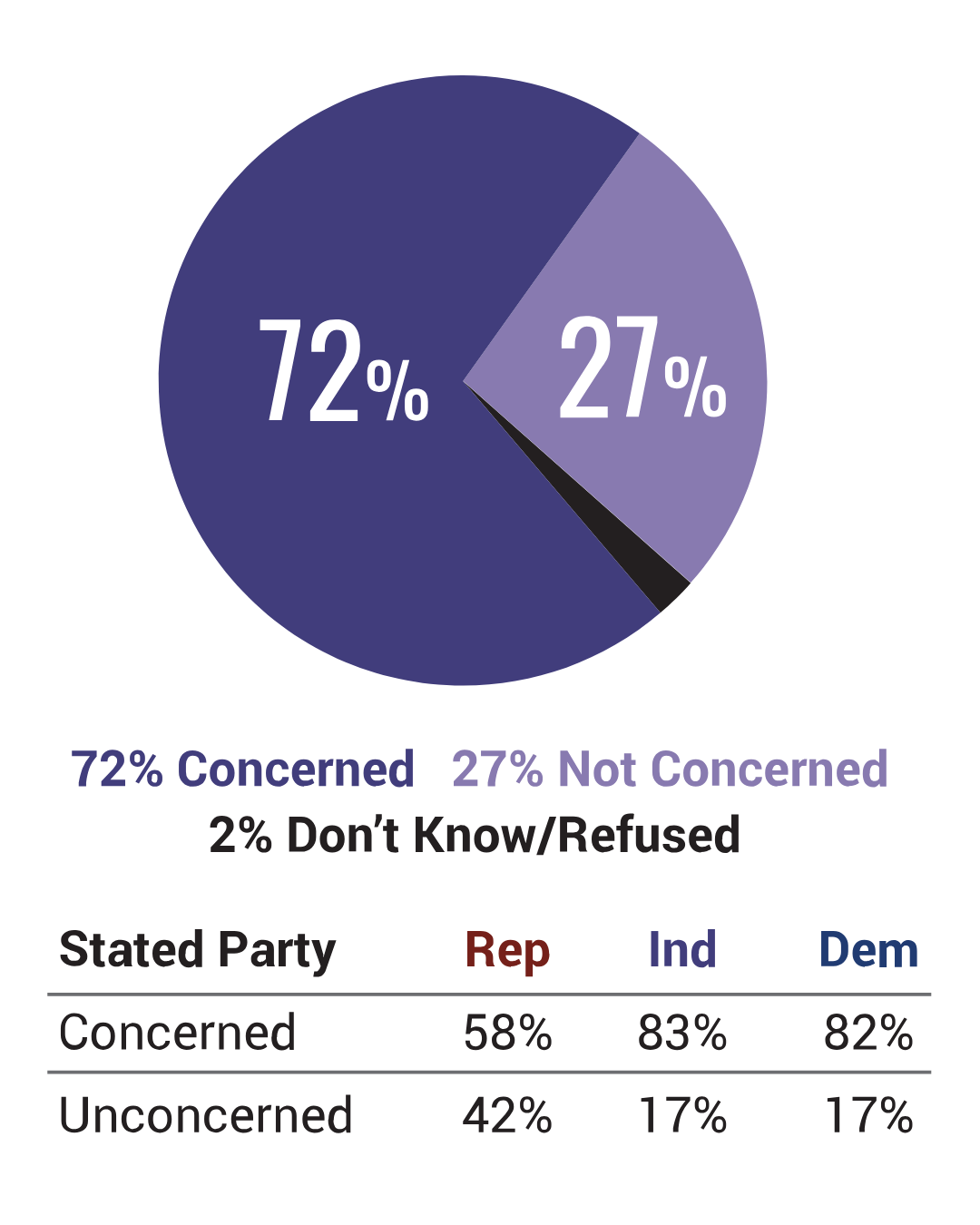
There are approximately 1.3 million registered voters in Pennsylvania—more than 15% of all registered voters—who cannot vote in primary elections.
The number of PA voters who cannot participate in primaries has increased by 38% in the last decade and a half.
This means that only voters registered with a party can vote in taxpayer-funded primaries.
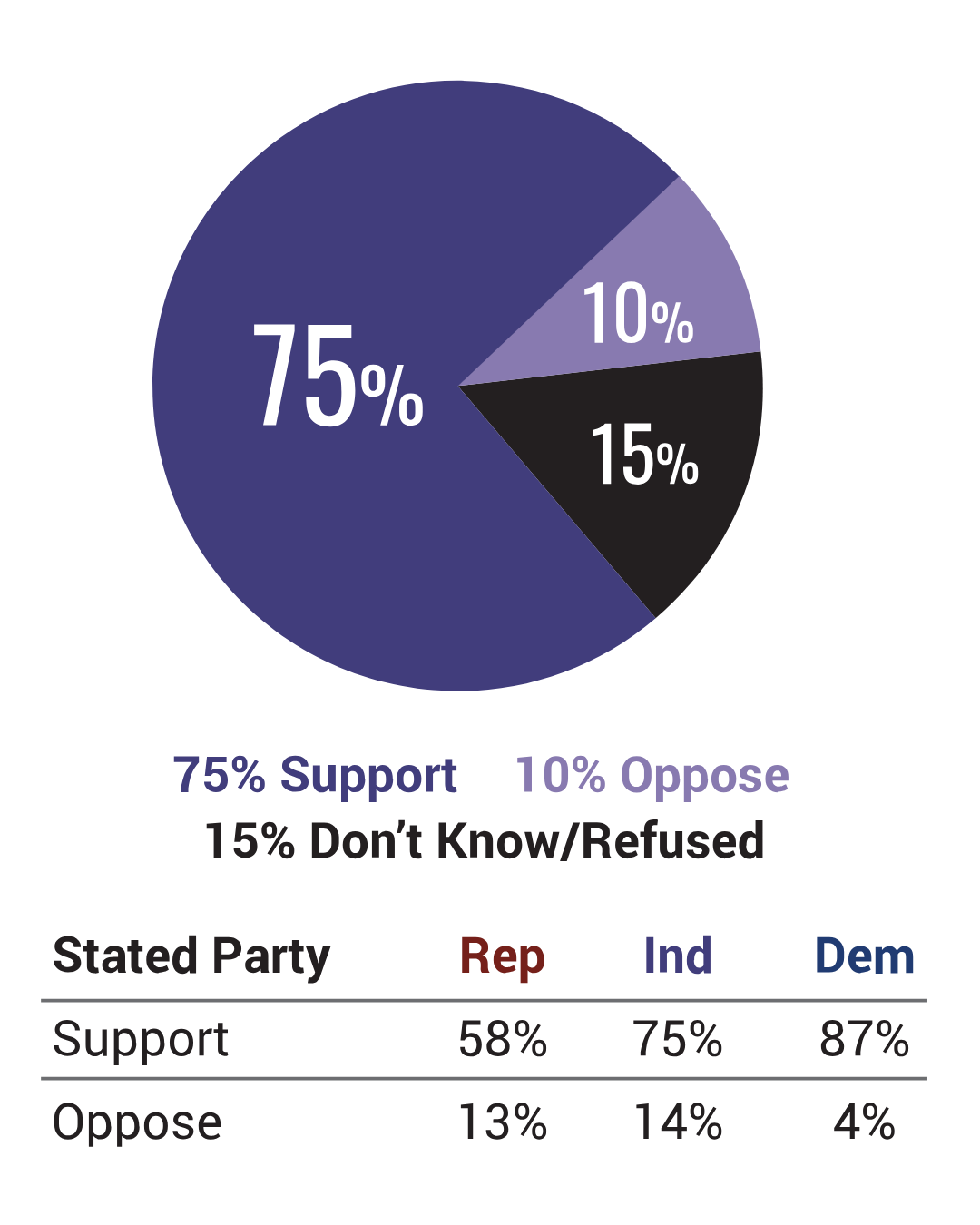
Voters who are not registered with a party (i.e., independents) cannot vote in primary elections, despite the fact that their tax dollars go toward paying for them. PA is one of just 15 states that use closed primaries for state and congressional offices.
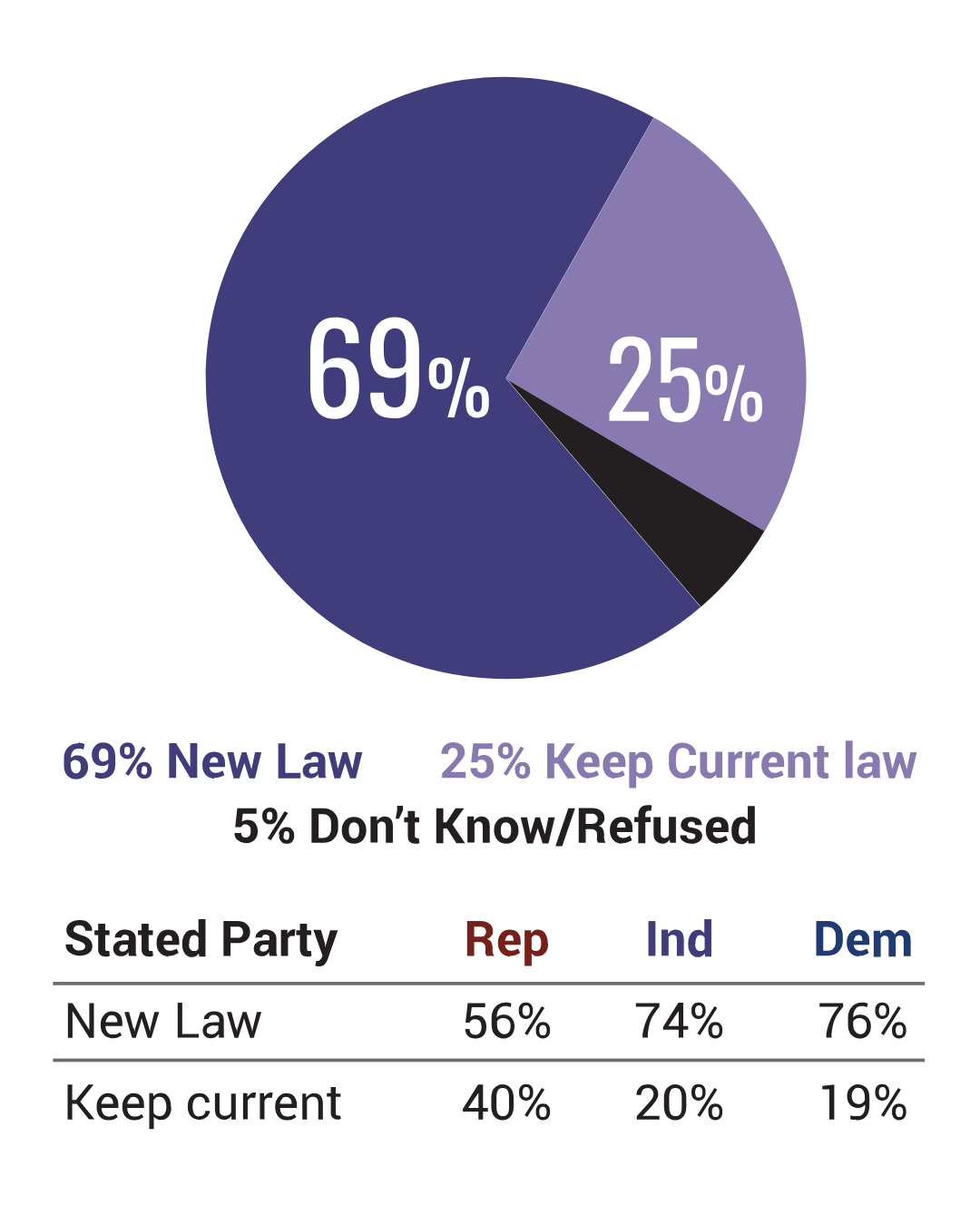
Semi-open primaries allow independent voters to choose to vote in either the Democratic or Republican primary (but not both). Voters registered as Democrats or Republicans are still only allowed to vote in their party’s primary.
The semi-open primary system allows all voters to participate in the primaries they help fund through their tax dollars.
The vast majority of states allow independents to vote in primaries, and about a dozen use the semi-open system, specifically. Maine (in 2024) and Colorado (in 2018) are the most recent states to adopt semi-open primaries.

A 2020 study in the Journal of Political Institutions and Political Economy found that open primaries are associated with legislators who are less extreme than those elected under closed primaries.
In a 2021 study, researchers from the University of Southern California found that in more open primary systems, voters of color participate at higher rates in both primary and general elections.
According to a 2024 study from the Bipartisan Policy Center, voter turnout rises an average of five percentage points when states open their primaries to independent voters.

In Colorado’s four election cycles with semi-open primaries, about 1.5 million registered independents have voted in primaries who could not have under prior state law. Turnout in midterm primaries has increased from an average of 18.5% in the two elections prior to reform to 28% post-reform.
In PA's last four midterm primaries, turnout averaged just 20%.